Archived destinations
UK archive


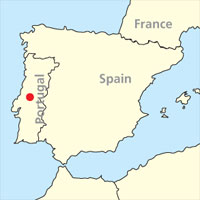
Central Portugal 27 April – 4 May 2014
Cork oak country and much more
From limestone hillsides to granite outcrops, cork oak woodlands to estuaries and dry grasslands, central Portugal offers a varied landscape with a rich range of wildlife.
This two centre holiday, starting close to Lisbon, offers contrasting habitats both between and within the holiday's two bases, one in the west of Portugal, the other in the east close to Spain.
Around Santarém
Here wildlife thrives in a mosaic of abandoned olive groves and farmland around Santarém. Black-winged kite, bee-eaters and southern grey shrikes compete for attention with orchids, including yellow bee and giant orchids and violet limodor.
Spoonbills join nesting night herons, little egrets and thousands of cattle egrets on an island in the Tejo Estuary. The estuary's mudflats supports a good mix of waders – wintering, passage and breeding – and there or on nearby lagoons and fields there may be glossy ibis, Caspian tern and large numbers of white storks. Much of the estuary is adjacent to wood pastures – montados – of cork oak, where nature and man have combined to create a sustainable harvest of cork on which a valuable ecosystem is based. Birds include Bonelli's and booted eagles, hoopoes (a few now overwinter here as the climate has warmed), cirl buntings and woodchat shrikes.
The limestone pavements and hills of the Serra de Aires and Candeeiros Natural Park provide a complete contrast. Flowers include Iberian fritillary and orchids such as woodcock, sawfly and naked man. As well as birds seen in previous days, we should find Dartford warbler, Thekla lark and choughs.
Northern Alentejo
After three days near Santarém, two hours' driving takes us east to near Marvão. This fortress village remains intact from the Islamic occupation in the Middle Ages and has applied to be a World Heritage site. Marvão offers stunning views from the massive quartzite outcrop on which it is set.
In this part of the Alentejo countryside, granite outcrops and the drier climate favour mixed forest cover with holm oak (rather than cork oak) and Pyrenean oak. Around and over the Mediterranean scrub and rocky outcrops special birds can include griffon & black vultures, alpine swift, crag martin, black-eared wheatear, Orphean and subalpine warblers and rock bunting.
In steppe grassland, groups of great bustards display among a carpet of wild flowers. A range of raptors includes Montagu's harriers and lesser kestrels. Other steppe birds include little bustard, stone-curlew, roller and great spotted cuckoo.
Birds
As well as those already mentioned, other likely birds may include black stork, red-crested pochard, golden oriole, spotless starling, blue rock thrush, short-toed lark, red-rumped swallow, Spanish sparrow, Iberian chiffchaff and Bonelli's warbler.
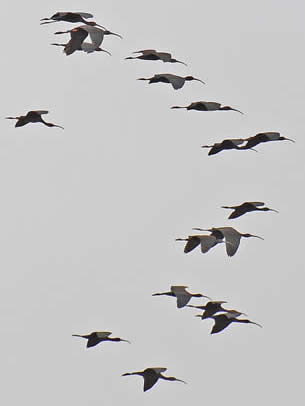
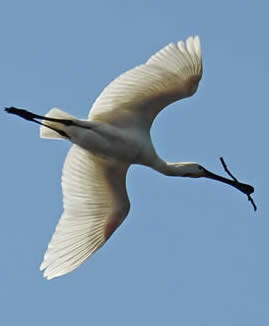
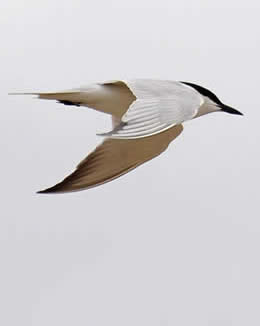
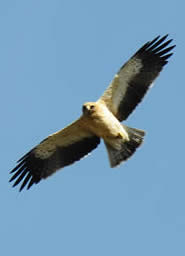
A selection of birds from our April 2012 holiday, all by Honeyguider Rob May.
Left to right: glossy ibises, spoonbill, gull-billed tern and booted eagle. Far right: blue rock thrush.
Flowers
Other local specialities include Iberian fritillary, one-leaved squill and Spanish bluebell. Iberian orchids include Ophrys dyris, conical orchid and Orchis olbiensis, plus many species found farther afield including narrow-leaved helleborine, small-flowered serapias and champagne orchid.
Other wildlife
Spanish festoon is, perhaps, the most sought after early butterfly; others should include Cleopatra and swallowtail. Large psammodromus and Iberian wall lizard are the likeliest lizards; Iberian ribbed salamander and various snakes are possible.
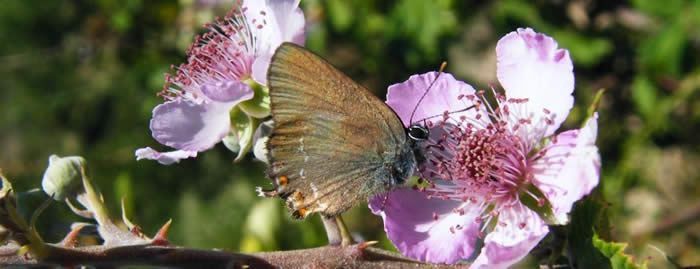
False ilex hairstreak (Domingos Leitão)
Holiday details
Visits include natural parks in the hills of Aires and Candeeiros in the west and São Mamede in the east. Important Bird Areas include the Tejo Estuary, the plains and grasslands of Elvas and Caia Dam IBA. Much of the interest is in the farmland, scrub, cork and holm oak wood pastures in both the east and west parts of the holiday.
Price: £1,380 per person in twin room for a full week (Sunday to Sunday). This is £50 less than in the brochure.
Single room supplement: £150
En suite facilities
Flights: the group of 10 booked for this holiday from Salisbury is flying on scheduled easyJet flights from Bristol to Lisbon.
This option is the easiest, logistically, to keep the group together, but there are also flights from Gatwick, Liverpool or Luton to Lisbon, and we'd be happy to look at what's practical for anyone else who'd like to come.
Deposit: £300
Maximum number (two leaders): 14
Leaders
Domingos Leitão was the director of SPEA, the Portuguese BirdLife partner, for many years. He is now running biodiversity projects for an international environmental and sustainability consultancy. Domingos has co-led many Honeyguide holidays in Portugal.
Rob Macklin was previously the RSPB’s area manager on the Suffolk coast, covering Minsmere and North Warren among several nature reserves. He now lives in Devon and uses his years of experience in nature conservation as an environmental consultant.
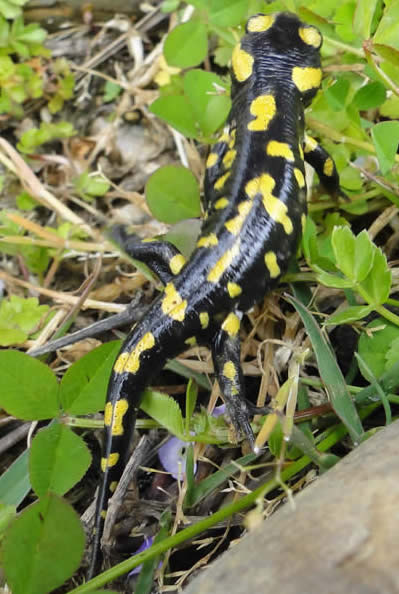
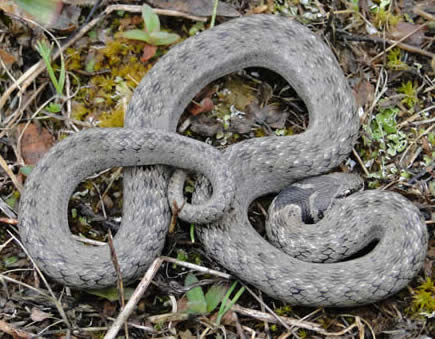
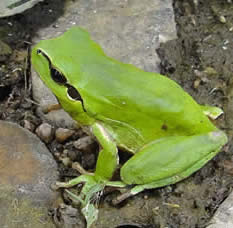
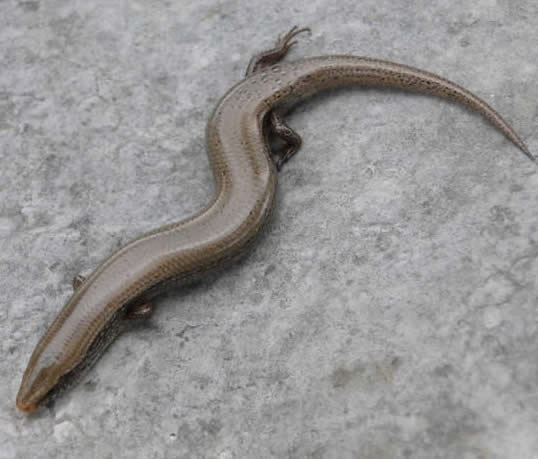
Domingos is especially good at finding reptiles and amphibians. Here's a selection from April 2012. Above, left to right: fire salamander, southern smooth snake and stripeless tree frog. Right: Bedragia's (or five-toed) skink. Photos by John Rumpus. |
 |
Holiday reports
Central Portugal recce February 2009
Honeyguide web page about Portugal, and links
About Iberian orchids, click here.
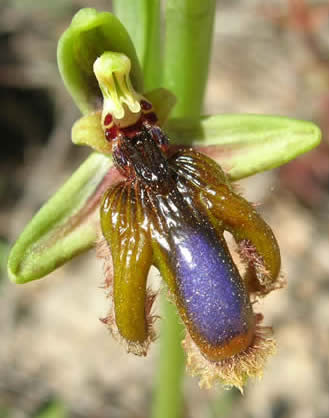
Lusitanian mirror orchid Ophrys vernixia.
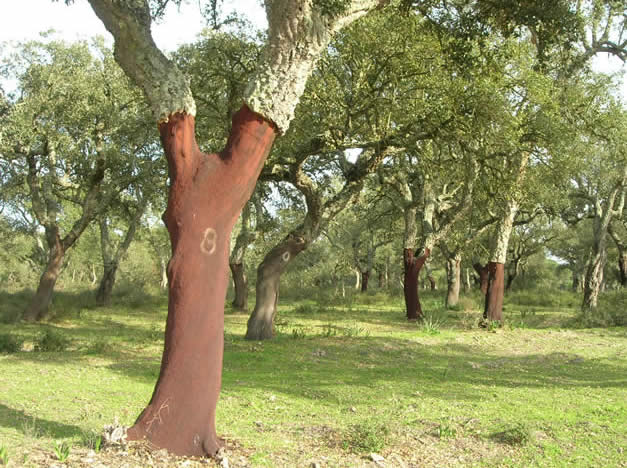
Cork oak on YouTube: extract from the BBC's wonderful 'Forest in a Bottle' programme here; WWF video here
Portugal photos
To see a selection of flower photographs by Honeyguider Steve Kourik (+ yellow bee orchid by Rob Macklin) from the holiday in April 2010, click here:

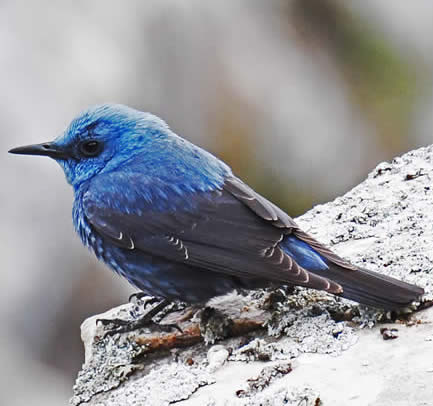
Blue rock thrush
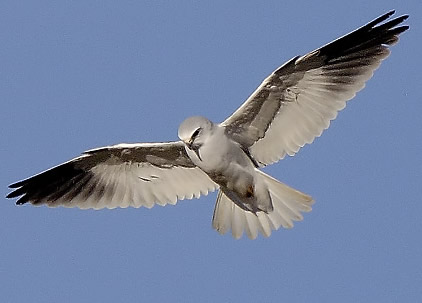
Black-winged kite (Steve Fletcher)
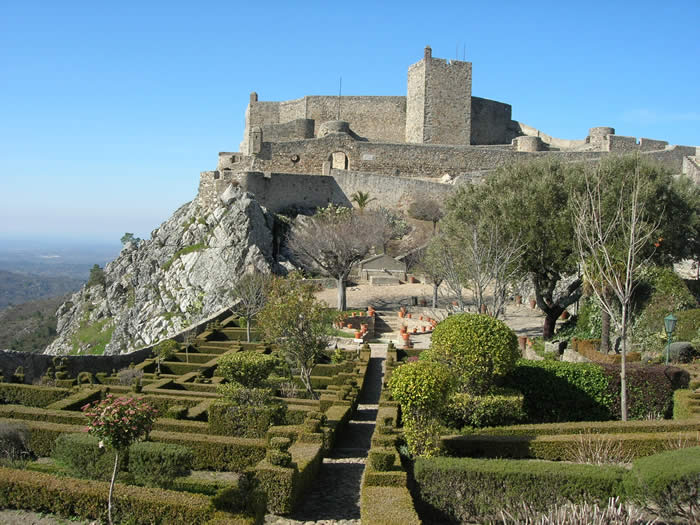
Marvão - castle
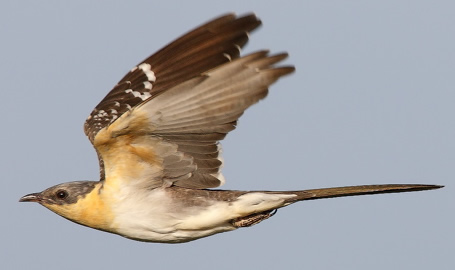
Great spotted cuckoo (Steve Fletcher)
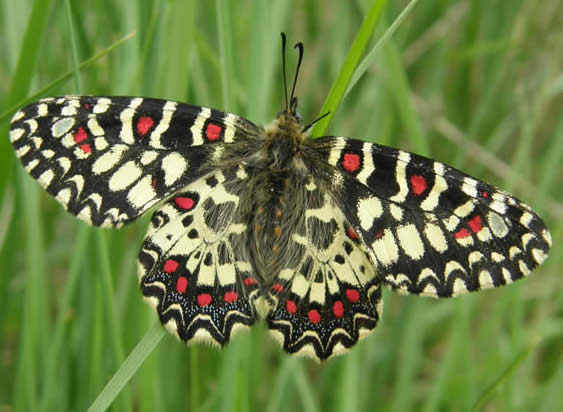
Spanish festoon (Helen Crowder)
Hotels
In the eastern part of the holiday, we stay for four nights at the Hotel Rural Quinta da Torre (on Facebook here). It's in Alpiarça, 15 minutes driving from Santarém, near the southern bank of the Tejo (Tagus) River, about an hour from Lisbon.
In the Marvão area we stay at the Hotel O Poejo, which means pennyroyal, the wild flower and herb.
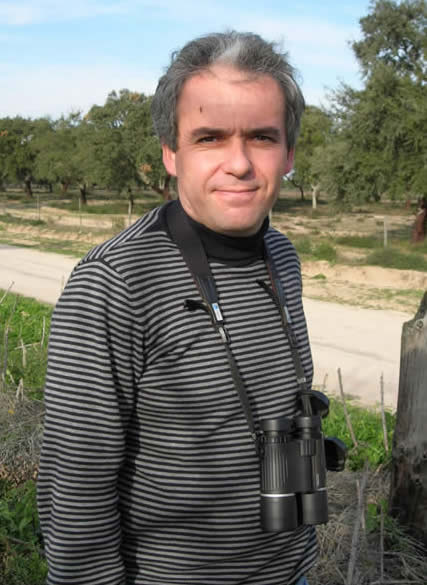
Domingos Leitão. More about Domingos on his website.
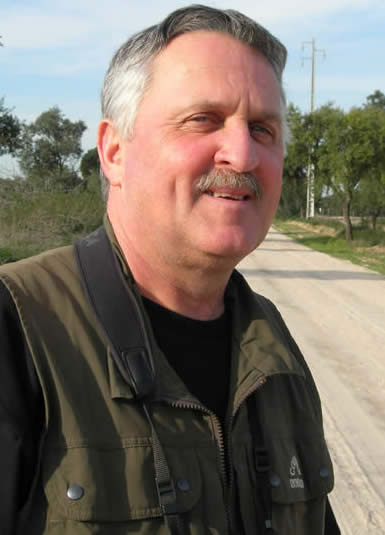
Rob Macklin

