Destinations
2026
- South Africa: Cape & the Garden Route
- Extremadura
- Crete
- South of Salamanca
- Picos de Europa
- French Pyrenees (June)
- Bulgaria's Western Rhodopes
- Falsterbo
- Danube Delta
- Madeira
2027


Danube Delta 3 – 10 September 2026
A week in Europe’s greatest wetland
This web page was written for our more usual May/June holiday in the Danube Delta, with some updates for this September group.
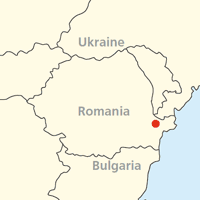
There is nowhere in Europe quite like the Danube Delta. Covering 2,200 square miles, the lion's share in Romania, the rest in the Ukraine, no naturalist's lifetime should be without the experience of visiting the delta.
Immense, important, breathtaking, threatened, beautiful; almost any superlative seems to fit some aspect of the Danube Delta.
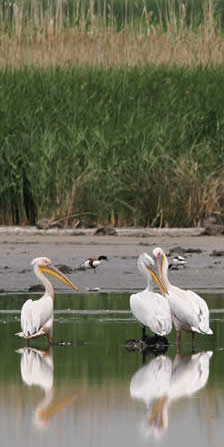
For wetland birds, it is birdwatching made easy. Most famous are the pelicans, white and the globally threatened Dalmatian. Enjoy them as your boat drifts close to a flock on a lake; another day a flight of them catches you by surprise as they glide easily overhead.
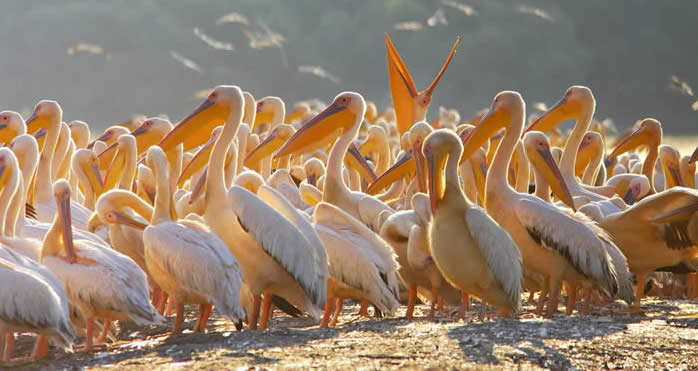
White pelicans (Daniel Petrescu)
The delta is as varied as it is spectacular. One hour you may be along riverine forest, with glossy ibises, egrets and sparkling blue kingfishers either side of you. Moving into an open area there may be wildfowl - maybe red-necked grebes mixed in with great crested grebes - and abundant dragonflies. There'll be birds moving over, or disappearing into, high reeds.
A September visit is a first for us. We expect good weather and wetland birds still abundant and obvious. Whiskered terns will still be in big numbers, with a good chance of Caspian and white-winged black tern, too. Open sand banks will be worth looking at, as wader migration will be near its peak, such as ruffs, wood sandpipers, curlew sandpipers and spotted redshanks, perhaps with a scattering of yellow wagtails.
As well as true wetland birds, the land and wooded areas within the wetlands are rich with rollers, bee-eaters, golden orioles and woodpeckers, the last including black and grey-headed. Dragonflies bring hobbies and red-footed falcons in pursuit, and occasionally the vast form of a white-tailed eagle drifts through.
Much of this needs to be done by boat, or rather boats. This holiday is run in collaboration with Ibis Tours who are based in Tulcea, gateway to the delta. A delightful 'pontoon' – floating hotel – is our holiday base, usually combined with a hotel in Tulcea. The food is very good. We will start in Tulcea and then be towed into the delta's core.
Some of the best areas for birds are in Dobrogea – the area round the edge of the delta. Lagoons with wildfowl and migrant waders are best visited from here. Raptors include long-legged buzzard; villages have white stork nests and Syrian woodpeckers.
Our local guides know the area and its wildlife well. But equally important is their hospitality. As the Romanian Ministry of Tourism brochure rightly says, 'Come as a tourist, leave as a friend'.
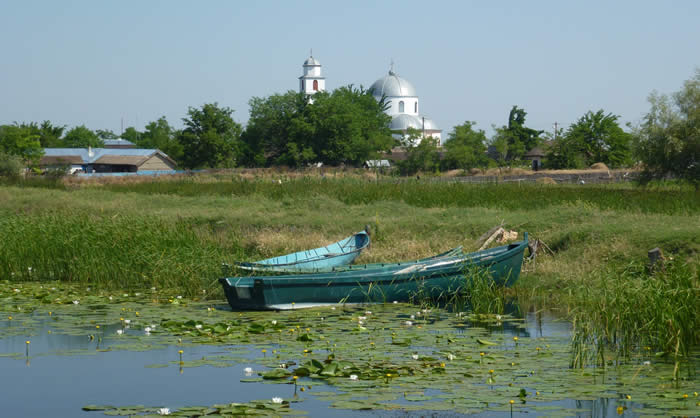
Approaching Leitea.
Birds
Those above plus purple, squacco and night herons, great white and little egrets, spoonbill, pygmy cormorant, ruddy shelduck, ferruginous duck, Caspian gull, red-backed and lesser grey shrikes, penduline and sombre tits and, with luck, hawfinches on the move or a migrant spotted or red-breasted flycatcher.
Other wildlife
This is, primarily, a birdwatching holiday, but the flowers in Dobrogea are a fascinating mix of eastern and northern European and Mediterranean species. Trees include Caucasian and manna ashes, Cornelian cherry, oriental hornbeam and silver lime. Terrapins, frogs and butterflies add interest, and muskrat is a possibility in the delta.
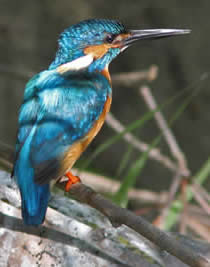
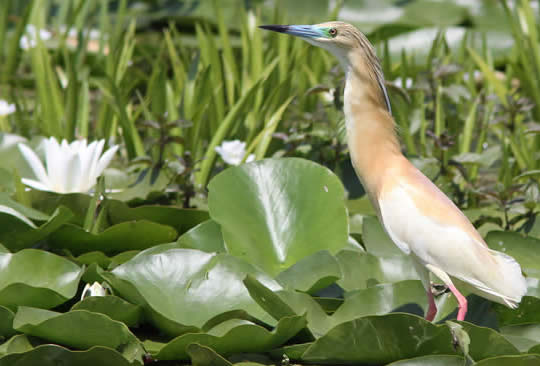
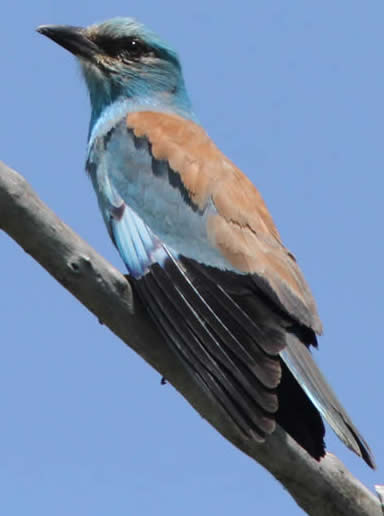
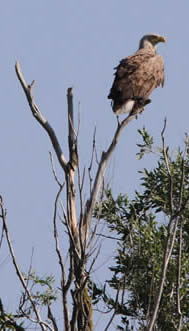
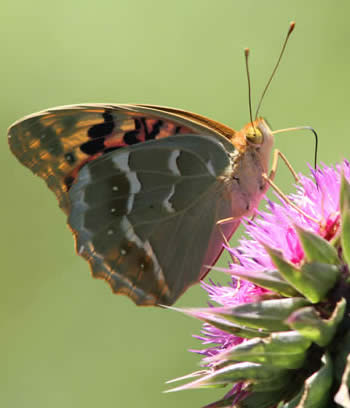
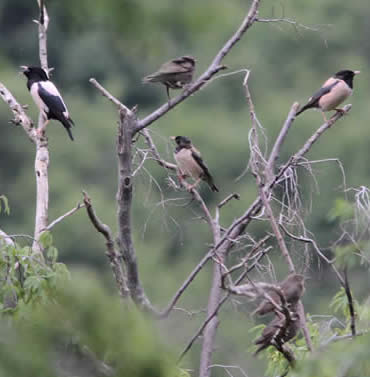
Some highlights from June 2012, photographed by Judith Wells. From left to right, top: kingfisher, squacco heron, roller. Bottom row: white-tailed eagle, cardinal butterfly, rose-coloured starlings, white pelicans with a Dalmatian pelican.
Holiday details
We'll spend two days in Dobrogea exploring a mix of wet and dry land. The other four days will be in the heart of the delta, much of it by boat but with walks onto dry land.
Price: £2,100 per person in twin cabin for full week (Thursday to Thursday)
En suite facilities
Single cabin supplement: £300
Flights: Scheduled British Airways flights London Heathrow to Bucharest Otopeni
3 September: BA0874 depart London Heathrow (T3) 09:15 arrive Bucharest OTP 14:30
10 September: BA0875 depart Bucharest OTP 15:40 arrive Heathrow 17:10.
13 September (after Carpathians extension) BA0875 depart Bucharest OTP 15:40 arrive Heathrow 17:10
Deposit: £400
Maximum number: 14
Optional three-day extension to the Carpathian Mountains, 10 – 13 June (minimum of 4 people),
including brown bear watching: £900 per person, single supplement £100.
In the Carpathians, the group will stay at Guesthouse Transylvanian Inn in Predelut.
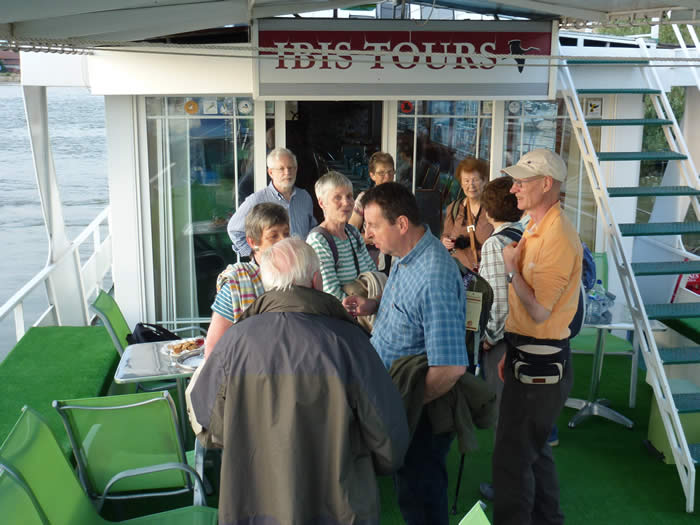
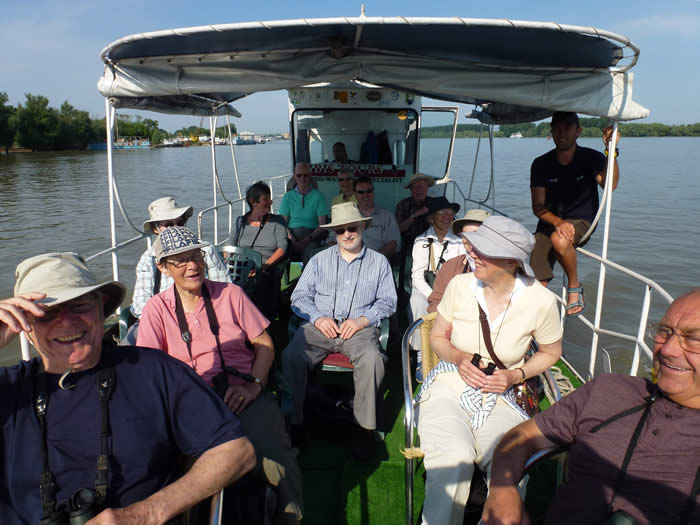
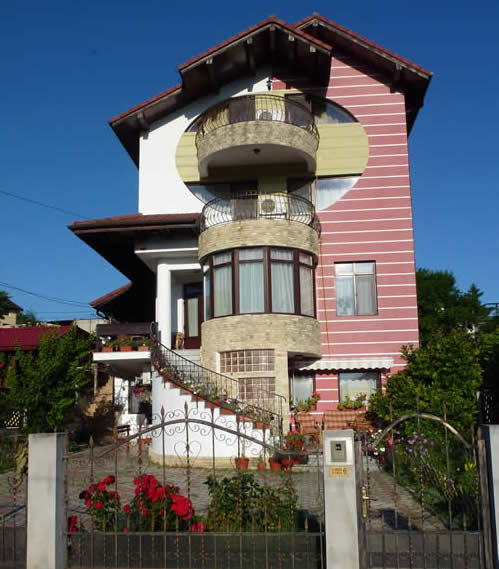
A welcome aboard the floating hotel; the day boat for most delta excursions; Mini hotel Ibis, in Tulcea, our base for half of the week.
Leaders
The main leader from our friends at Ibis on this holiday is from the Ibis team and is still to be decided. It may be Florin Palade or Daniel Petrescu, possibly Eugen Petrescu. Botanist Mihai Petrescu joins the group in Dobrogea. They all speak excellent English.
Eugen Petrescu is the Romanian Ornithological Society’s conservation officer in the Danube Delta. He set up Falco Cherrug, a group of young naturalists in the Danube Delta, which our holiday supports as our conservation project. Daniel Petrescu shares the passion for birds of his father Eugen and is part of the team running Ibis Tours, which they founded in 1995. He's a keen photographer: many of the the photos on these Danube Delta pages are by Daniel. To see more of Daniel's pictures, visit www.danielpetrescu.ro. Florin Palade (right) has been a main Ibis leader for more than a decade.
Mihai Petrescu (no relation) is Ibis’s botanist and usually joins the group in Dobrogea. He is a doctor in forest ecology, working as a researcher for the Danube Delta Museum in Tulcea. Mihai is the author of a book, in Romanian and English, on the key habitats and botanical communities of Dobrogea and the Danube Delta.
A leader from Honeyguide is also with the group. Rob Lucking, who was with the group in 2024, should be with the group in 2026. More about Rob on our Lesvos or North Norfolk web pages.
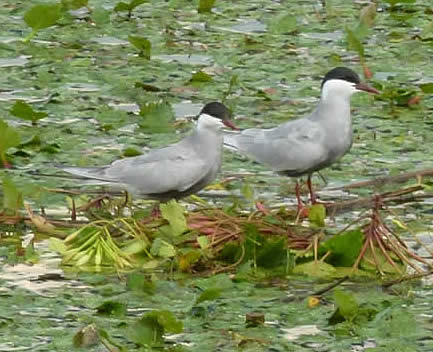
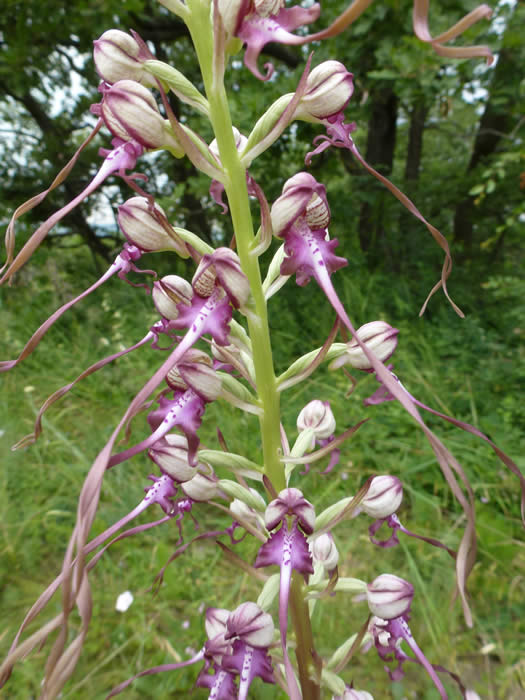
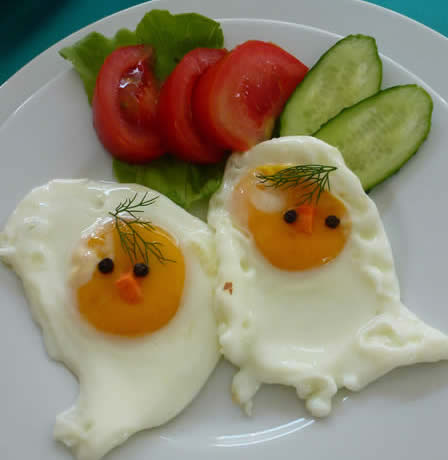
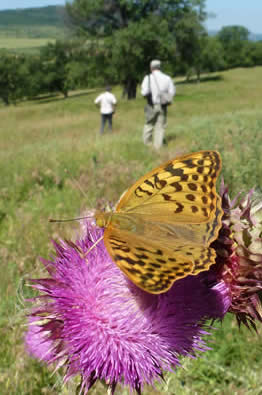
Highlights from June 2014. Whiskered terns on a nest of water weed; lizard orchid Himatoglossum jankae; breakfast eggs; cardinal butterfly on a musk thistle.
Conservation project
The Romanian Ornithological Society is a small but active bird conservation society. Our contribution goes towards a group of young naturalists called Falco Cherrug (the saker), which is run by Eugen Petrescu, who is both one of the Ibis team – quite often a leader for Honeyguide groups – and the SOR representative in the delta.
One of Falco Cherrug's main activities is an annual ornithological camp. There are pictures of the camps in the Danube Delta, a page from the SOR's magazine Pasari in December 2009 here, and from 2010 here, part-funded by Honeyguide as usual.
For prices, see Holiday Details at the bottom of the page.
 |
FCO travel advice for Romania here. |
Holiday reports
Holiday report, May-June 2024.
Many more Danube Delta holiday reports from more than two decades of Honeyguide holidays here.
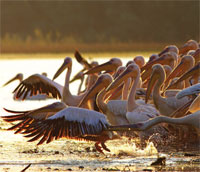
'Pinching a pelican butt' (Daniel Petrescu): click on the picture to see it in full.
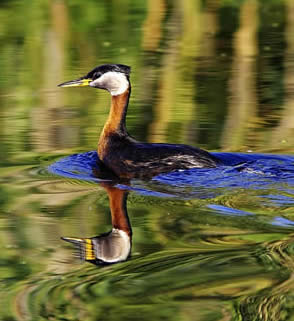
Red-necked grebe (Daniel Petrescu)
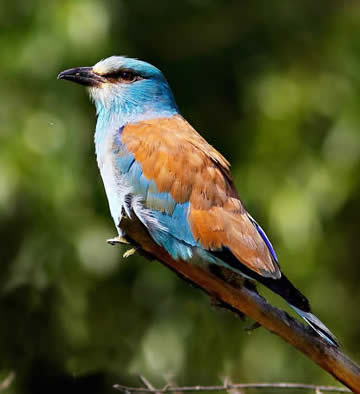
Roller (Daniel Petrescu)
Danube Delta photos
Gallery: photos by Daniel Petrescu.
To see more of Daniel's pictures, visit www.danielpetrescu.ro
A selection of photographs by Honeyguide leader Ivan Nethercoat
More photos from 2014 on our Facebook photo album.
There are photos of the floating hotel on the Ibis Tours website.
This holiday is run in collaboration with Ibis Tours, based in Tulcea.
Danube Delta: extra web pages
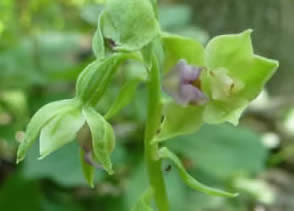
Photospot: the Danube helleborine Epipactis danubialis
Whiskered tern photos and movies.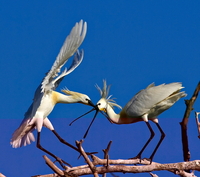
Spoonbills (Daniel Petrescu)
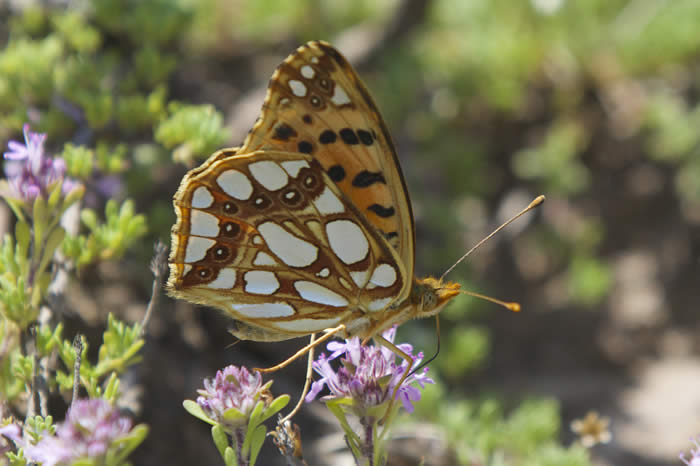
Queen of Spain fritillary (John Long)
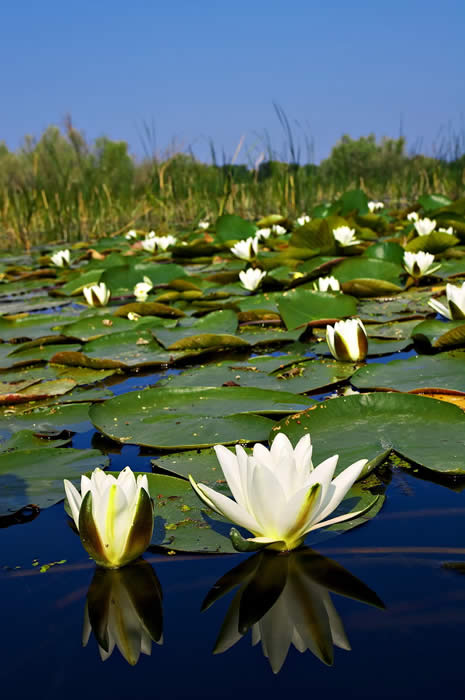
Water lilies (Daniel Petrescu)
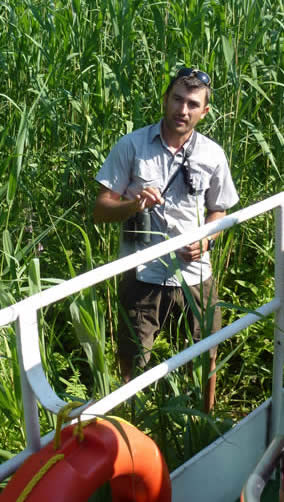
Florin Palade, Ibis leader for Honeyguide in June 2014. Here he has left the day boat to explain about floating reedbeds in the delta.
SUPPORTING
If you have any old binoculars or field guides they will be gratefully received by Falco Cherrug, the young birdwatchers group run by Eugen Petrescu.
SOR was supported by the RSPB for many years, for example see this blog.

